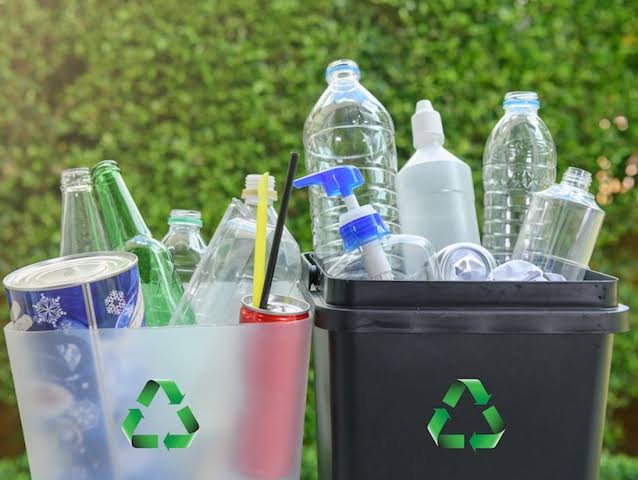
Plastic Waste Management
Plastic Waste Management
#RACEIAS #RACEIASLucknow #RACEIASKanpur #BestUPSCCoachingInLucknow #BestUPSCCoachingInKanpur #UPSCcoachingInLucknow #UPSCcoachingInKanpur
South Korea has long been celebrated internationally for its meticulous household waste separation rules and high collection rates. However, recent independent research has illuminated a significant disparity between raw waste collection metrics and genuine material circularity. In 2021, an independent audit revealed that only 16.4% of household plastic waste collected across the country was mechanically recycled into raw plastic materials or new consumer products.
This finding sharply contradicted official historical statistics, which previously reported national plastic recycling rates well above 70%. The root of this discrepancy lay in data aggregation practices: national metrics historically classified thermal recovery—the incineration of solid waste to generate industrial heat or electricity—under the broad umbrella of "recycling." While thermal recovery extracts energetic value from waste streams, it permanently destroys the physical polymer matrix, removing the material from the productive economy. This statistical methodology obscured the actual loss of material resources across the domestic supply chain.
Scale of Generation and the Statistical Gap
Understanding the structural challenge requires examining the sheer volume of plastic waste generated within the country. South Korea recorded total annual plastic waste generation of 7.8 million tonnes in 2024, combining both municipal household waste and commercial enterprise streams. On an individual level, per-capita plastic waste generation reached 103.9 kg per person in 2022, placing the country among the highest per-capita plastic waste producers in the OECD.
The statistical divide between official figures and physical recycling outcomes highlighted the need for revised key performance indicators. Under historical accounting, industrial energy recovery from incineration plants and cement kiln co-processing satisfied government targets. However, when isolating mechanical re-granulation—the process of washing, melting, and converting post-consumer plastic into usable resin, the true rate of material recovery dropped to 16.4%. Recognizing this divergence prompted public policy shifts aimed at aligning national definitions with international circular economy standards.
Extended Producer Responsibility and Financial Architecture
At the core of South Korea’s waste governance framework is the Extended Producer Responsibility (EPR) mechanism. Under this system, brand owners, manufacturers, and importers carry legal and financial obligations for the downstream lifecycle management of the packaging materials they introduce to the market.
The financial pipeline of the EPR system operates through a structured statutory agency model:
- Financial Transfer Pipeline: Packaging producers pay mandatory compliance fees directly to the Korea Resource Circulation Service Agency (KORA), calculated based on the precise volume and material type of their production runs.
- Municipal Allocation: KORA redistributes between 80% and 90% of these collected funds directly to local government authorities, private waste collection contractors, primary sorting facilities, and secondary processing plants to subsidize daily waste operations.
- Statutory Targets: Government policy sets strict recovery targets across distinct resin types. Producer obligations range from 50% up to 90% depending on the specific packaging format.
- Enforcement Penalties: Companies that fail to fulfill their statutory recycling quotas are subject to financial surcharges. These penalties are calculated at rates exceeding standard recycling execution costs, creating a direct financial incentive to meet baseline target ranges.
To incentivize sustainable product design, statutory targets are differentiated by material complexity. Clear, uncolored polyethylene terephthalate (PET) beverage containers carry an elevated mandatory recovery target of 79%, whereas flexible multi-layer packaging, film trays, and composite containers carry targets as high as 90% to compel investment in complex recovery streams.
Regulatory Overhaul and Governance Reforms
To correct historical reporting flaws, South Korea’s Ministry of Environment initiated a series of comprehensive regulatory reforms aimed at establishing data transparency and tightening corporate accountability.
Starting in December 2024, state environmental agencies officially separated published material recycling statistics from thermal energy recovery data. This disaggregation ensured that industrial incineration outputs could no longer be conflated with closed-loop material re-use. In parallel, ongoing regulatory revisions aimed to formally remove thermal recovery from national legal definitions of "recycling," establishing strict alignment with global standards like those defined by the EU and UN Environment Programme.
Building on these structural changes, the Ministry of Environment initiated a broader review of the national Extended Producer Responsibility framework in May 2026. This initiative focuses on raising compliance standards and adjusting fee structures for low-yield polymers, such as un-sorted composite plastics and multi-layer flexible films. By applying structural surcharges to non-recyclable composite designs, the government aims to enforce a "producer-pays" accountability model that favors easily recyclable single-polymer packaging designs.
Operational and Structural Challenges
Despite progressive policy revisions, South Korea’s transition toward higher material recycling efficiency faces systemic industrial and market obstacles:
- Structural Reliance on Incineration: Decades of investment in Energy-from-Waste (EfW) facilities and industrial cement kiln co-processing created an established thermal infrastructure. This capacity reduced the economic urgency for municipalities to invest early in advanced optical sorting infrastructure and high-efficiency mechanical or chemical processing assets.
- Post-Consumer Stream Contamination: High household source-separation participation is frequently offset by stream contamination. Residual food waste, aggressive adhesives, non-peelable synthetic labels, and mixed-material components lower the quality of incoming batches, leading sorting facilities to reject significant volumes into thermal processing streams.
- Economic Viability of Multi-Layer Polymers: Flexible multi-layer films and dark-colored plastics present chemical and physical barriers to standard mechanical recycling. Re-granulating complex composite resins often produces low-grade material that cannot compete economically with primary virgin resin prices.
- Gaps in Value Chain Data Accounting: Historical discrepancies between primary sorting weights and actual end-of-life resin output allowed material losses to occur unnoticed within the recovery chain.
- Market Exposure to Virgin Resin Prices: Recycled plastic resins face market headwinds when international crude oil prices decline, making virgin polymers cheaper to produce. Without mandatory domestic recycled-content quotas across manufacturing sectors, processors face volatile demand for high-purity recycled resins.
Achieving Genuine Material Circularity
South Korea’s ongoing plastic waste overhaul illustrates the fundamental distinction between high waste collection rates and genuine material circularity. While robust municipal logistics and public participation provide a solid foundation, collecting waste is only the initial step in a circular economy. The structural decoupling of thermal recovery from recycling metrics has provided a clearer baseline for policy design, exposing where physical material loss occurs across the supply chain.
Moving forward, closing the loop on plastic waste will require sustained coordination between regulatory standards, infrastructure investment, and industrial design. Expanding advanced mechanical sorting, encouraging eco-friendly packaging designs at the production stage, and fostering stable domestic markets for high-purity recycled resins remain essential priorities as South Korea works to transform its waste management system into a truly closed-loop model.