Integrated Forum on Climate Change and Trade (IFCCT): A New Architecture for Climate–Trade Cooperation
Integrated Forum on Climate Change and Trade (IFCCT): A New Architecture for Climate–Trade Cooperation
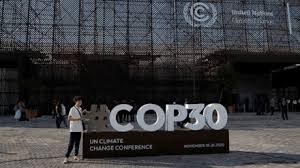
The global landscape of climate governance and international trade is changing rapidly, with nations adopting increasingly ambitious climate commitments while also recalibrating trade policies to reflect new economic and environmental priorities. In this context, November 2025 marked a turning point when the Integrated Forum on Climate Change and Trade (IFCCT) was officially launched at COP30 in Belém, Brazil. This institution emerged as the world’s first permanent mechanism dedicated to understanding, managing, and easing the growing tensions that exist where climate policy intersects with international trade frameworks. As climate action expands into areas such as carbon pricing, green subsidies, and supply-chain decarbonisation, countries have begun adopting unilateral measures that risk creating friction in the global trading system. The IFCCT offers a collaborative, politically supported space for nations to discuss concerns openly and devise paths toward harmonisation without the pressures of formal negotiations or binding commitments.
Understanding the IFCCT
The IFCCT functions as a unique governance platform designed specifically for constructive, structured dialogue rather than treaty-making. Conceived under the leadership of Brazil’s COP30 Presidency, the forum brings together a wide range of institutional partners, including the UNFCCC, the WTO, and various international development bodies. Its core purpose is to bridge conversations between the climate and trade communities, which historically have operated independently of one another. By establishing a neutral and trusted space, the forum enables governments, experts, industries, researchers, and civil society organisations to engage in sustained exchanges on the challenges arising from climate-linked trade measures. Importantly, the IFCCT does not impose binding rules. Instead, it emphasises the importance of political goodwill, evidence-based discussion, and cooperative problem-solving elements that are often difficult to achieve in formal negotiation settings. In doing so, it seeks to generate shared understanding and policy coherence across two areas that are becoming increasingly intertwined.
Goals and Strategic Objectives
The mission of the IFCCT extends beyond dialogue; it aims to create a stable and equitable environment where emerging climate-trade issues can be addressed collectively. One of its central objectives is to help countries navigate rising disputes associated with new policy tools like carbon border adjustment mechanisms (CBAMs). Measures such as the EU’s CBAM have global implications, influencing export competitiveness, industrial planning, and investment flows. The IFCCT acts as a forum where countries can express concerns, examine potential impacts, and search for common ground.
Another critical aim is enhancing policy coherence so that climate commitments undertaken under international agreements do not conflict with trade obligations. For developing nations, the forum is especially important. Many of these countries face structural vulnerabilities, capacity constraints, and economic dependence on carbon-intensive sectors. The IFCCT offers them an equal seat at the table, giving voice to their interests and promoting inclusive global approaches to climate-compatible growth. Overall, the forum strives to reduce unilateral action, foster mutual trust, and encourage collaborative strategies that prevent trade from undermining climate ambition or vice versa.
Core Features and Institutional Design
The IFCCT is characterised by several distinctive features that shape its functioning and ensure inclusiveness. Foremost among these is its non-negotiating nature, which allows for candid and constructive exchanges. By lifting the pressure associated with binding agreements or diplomatic bargaining, the forum encourages participants to express their positions more openly, explore the technical dimensions of disputes, and consider alternatives that might be politically difficult in formal settings.
A second defining feature is its consultative agenda-setting process, which spans 2025 and 2026. This process allows countries and stakeholders to propose thematic areas of focus, such as decarbonisation of supply chains, addressing climate-related subsidies, green industrial policy design, and the impacts of unilateral climate measures. This collaborative approach ensures that the agenda reflects real concerns and evolving global realities.
The IFCCT also promotes climate–trade coherence, focusing specifically on mitigating risks associated with the misalignment of policies. Because many climate measures directly influence market access, industrial competitiveness, and technological flows, the forum provides a space to explore frameworks that support decarbonisation while minimising trade conflicts.
Equally important is the forum’s multistakeholder model. Its discussions are not limited to governments; instead, they include international organisations, research institutions, the private sector, and civil society groups. This broad participation ensures diverse perspectives and helps develop comprehensive, well-grounded policy recommendations.
To support discussions with rigorous analysis, the IFCCT draws on an expert panel that includes individuals from both developed and developing countries. These experts provide research, modelling, and strategic guidance that enhance the quality and credibility of the forum’s work.
Significance and Global Impact
The establishment of the IFCCT represents a major step toward reshaping the way the world approaches climate governance and trade relations. One of its most transformative contributions is its ability to bridge long-standing gaps between two policy spheres that historically operated separately. Climate negotiators and trade officials often work within different institutional logics, mandates, and worldviews. By bringing these communities together, the IFCCT helps avoid fragmented approaches and encourages policies that support both environmental and economic goals.
Another key area of impact lies in empowering developing countries, many of which face risks from border adjustment measures, shifting global value chains, and stringent green standards. The forum equips these nations with a platform to articulate their concerns, contribute to agenda formation, and influence the trajectory of global climate-trade debates. This strengthens the equity dimension of international governance and supports a just transition for vulnerable economies.
In the era of carbon pricing, green subsidies, and competitiveness-linked climate policies, the IFCCT also plays a crucial role in reducing trade friction. By promoting transparency, interoperability of climate measures, and dialogue on emerging standards, the forum can help prevent a proliferation of disputes that might otherwise destabilise global trade. It thus contributes to smoother economic adjustment processes, enabling countries to adopt low-carbon strategies without fear of punitive trade outcomes.
Beyond immediate trade issues, the IFCCT fosters collaborative governance by encouraging innovation, capacity building, and shared learning. This cooperative mode is essential in addressing cross-cutting issues like green technology deployment, renewable energy transitions, and sustainable industrial development.
Challenges Ahead and Institutional Coordination
Despite its strengths, the IFCCT operates in a challenging environment shaped by competing national interests, geopolitical tensions, and the complexity of aligning climate and trade goals. Countries differ widely in their development levels, carbon footprints, and industrial priorities, making consensus difficult. Additionally, the forum does not have the authority to enforce decisions, so its influence depends on the political will of participating governments.
Institutional coordination is another challenge. The mandates of the WTO and the UNFCCC, though interconnected, differ significantly. Aligning their processes while maintaining the IFCCT’s independent consultative nature will require constant diplomatic effort. Moreover, emerging coalitions and international bodies,from business chambers to climate alliances, must work cohesively with the forum to avoid overlap and ensure that its recommendations translate into real policy action.
The Path Forward
Looking ahead, the IFCCT has the potential to become a foundational pillar in global climate and trade governance. Its flexible and evolving structure allows it to adapt to new challenges, including those linked to digital trade, green technology standards, critical mineral supply chains, and climate-related investment screening. Future progress will require sustained engagement from governments, transparent knowledge-sharing processes, and continued commitment to equitable solutions.
Building capacity among developing nations, strengthening technical exchanges, and fostering policy experimentation will be essential for maintaining momentum. As climate measures increasingly influence economic strategy, ensuring that the global transition remains fair and inclusive will be central to the forum’s credibility and long-term success.
Conclusion
The launch of the Integrated Forum on Climate Change and Trade marks a historic milestone in the evolution of global governance. By recognising that climate action and trade policy are interdependent, the IFCCT provides a much-needed platform to harmonise these critical domains. Its non-negotiating, inclusive, and evidence-driven structure sets the stage for deeper international cooperation, reducing the risk of global trade fragmentation while advancing ambitious climate goals. As nations navigate the complexities of a low-carbon future, the IFCCT offers a promising pathway to ensure that environmental responsibility, economic competitiveness, and social equity move forward together.